
Bullying Prevention

This resource toolkit brings together up-to-date resources from trusted organizations, including tools, data, and links designed to support young people, caregivers, and professionals in finding the help and information they need.*
*All data and links were accurate at the time of publication, but may change over time.
Information for:
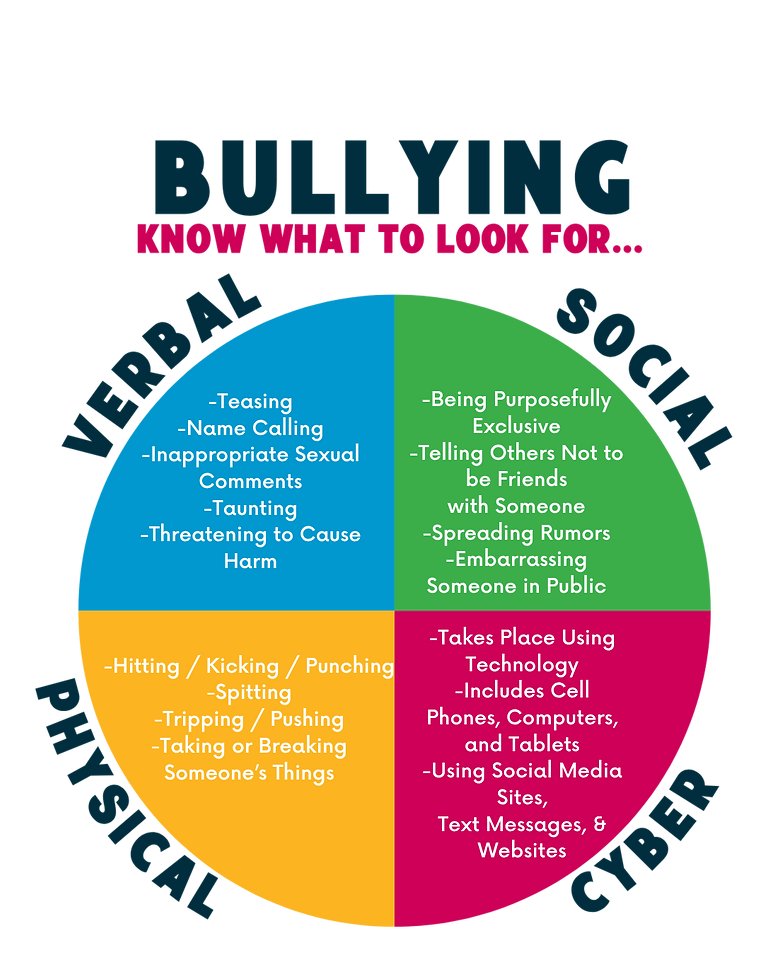
Bullying can take many forms, including verbal, social, physical, and online behaviors. It can happen at school, in your community, through group chats, or on social media. And its impact can extend beyond the moment itself, affecting how safe, included, confident, and supported you feel.
The good news? We can all be part of prevention. Having supportive adults, trusted spaces, and opportunities to speak up can help you navigate difficult situations and support one another. Small actions - checking in, including someone, speaking up when something isn't right, or reaching out for help - can make a meaningful difference.
This Free Your Feels toolkit explores bullying prevention through resources, conversation starters, and actions for youth, adults, and communities that support young people. Together, we can help create spaces where everyone feels seen, respected, and supported.
EVERYONE
Bullying doesn't happen in isolation. Individual experiences, relationships, school and community environments, and online spaces can all influence how we interact with one another. Sometimes harmful behaviors can be connected to things like social pressures, power dynamics, exclusion, or challenges someone may be experiencing.
Understanding the signs and impact of bullying can help us recognize when someone may need support - whether they are being targeted, witnessing bullying, or engaging in harmful behavior themselves. Creating safer communities is a shared responsibility, and each of us can play a role by promoting respect, inclusion, and support for one another.
Explore Bullying & Violence Prevention Resources:


YOUTH
Everyone deserves to feel safe, respected, and included. Bullying - whether it happens in person or online - is not something you have to handle alone. If you are being targeted, witnessing someone else being bullied, or aren't sure what to do, reaching out to someone you trust can help. We all have a role in creating safer spaces. A bystander can become an upstander by choosing to support the person being targeted, speaking up when it feels safe to do so, or getting help from a trusted adult.

RESOURCES


Knowing what bullying looks like, how to report it, and how to safely stand up for yourself and others can help you feel more prepared to take action.
Positive, healthy relationships can support your mental and emotional well-being. Knowing the signs of an unhealthy relationship can help you recognize when something doesn’t feel right, set healthy boundaries, and make choices that protect your well-being
Explore Bullying & Violence Prevention Resources

PACER’s Bullying Prevention 101: Middle/High School Quick Guide, created specifically for middle and high school students, this resource offers information, ideas for responding to bullying, and ways to speak up and take action.
CAREGIVERS
Stomp Out Bullying – About Bullying and Cyberbullying is a straightforward resource for young people who are experiencing bullying, witnessing it, or trying to figure out what they can do. Explore articles, experiences, and facts surrounding specific types of bullying.

You don’t have to face a crisis alone. Bullying can have a serious impact on your mental and emotional well-being. If bullying has left you or someone you know feeling overwhelmed, hopeless, or concerned about suicide, reach out for support. Call or text 988 to connect with a trained crisis counselor who can listen, provide support, and help you find the next step.

Bullying can affect young people in many different ways - whether they are being targeted, witnessing bullying, or engaging in bullying behavior. You may notice changes in your child’s mood, behavior, friendships, routines, or interest in activities. While these changes can have many causes, they can be an opportunity to check in and ask how things are going.
Start with listening. Create space for conversations that feel open, calm, and judgment-free, and let your child know they can come to you without fear of blame or punishment. Take their concerns seriously, ask what support would feel helpful, and work together to identify trusted adults and resources who can help.
Explore these resources to learn more about how you can support your young person:
.png)
PACER’s National Bullying Prevention Center - Parents & Caregivers offers practical information for parents and caregivers, including ways to talk with a child about bullying, advocate for them, and work with schools to address concerns.


American Academy of Pediatrics - Bullying Prevention provides parent-friendly information about bullying and its potential effects, along with guidance for talking with children and helping them navigate challenging peer experiences.
Child Mind Institute - Bullying Resources for Parents offers practical, accessible guidance to help caregivers recognize bullying, talk with their children about difficult social experiences, and provide support.
They also have resources to help parents navigate situations where their child may be engaging in bullying behavior and offers guidance on how to respond.
EDUCATORS & PROFESSIONALS
Schools and youth-serving spaces play an important role in bullying prevention. Creating environments where young people feel safe, connected, respected, and included can help prevent harmful behaviors and make it easier for students to speak up and seek support when they need it.
Bullying prevention goes beyond responding when an incident occurs. Building trusting relationships, creating a sense of belonging, setting clear expectations for how people treat one another, and giving young people opportunities to practice empathy, communication, and problem-solving are all part of creating safer spaces.
Explore evidence-informed bullying prevention resources, activities, and strategies that can help strengthen school and youth-serving environments, support students, and build a culture of respect and inclusion.

StopBullying.gov - Bullying Prevention Training Center is a strong resource for educators, school administrators, youth-serving professionals, and community partners. The Training Center includes research-based training materials, facilitator guides, presentations, handouts, and resources focused on creating safe and supportive environments.
.png)
PACER’s National Bullying Prevention Center — Educator Resources offers free, ready-to-use classroom lessons, activities, curricula, discussion tools, and student resources for elementary through high school.


Not seeing a resource you need? Email us freeyourfeels@gmail.com and let's work together on creating resources that support the mental health and wellbeing of Georgia’s young people
If you or someone you know is in a crisis situation, please call or text 988 for 24/7 support.
Free Your Feels is not a mental health provider and does not offer crisis services.
Additional topics and resources are available in the Resource Library.
